
Our group includes researchers, practitioners, teachers, activists, storytellers, and youth invested in learning about and transforming the local and global agricultural and culinary systems for a more just and climate resilient future for all. We work together to bring the power of plants and ancestral food heritage to solutions for food and climate change crises.
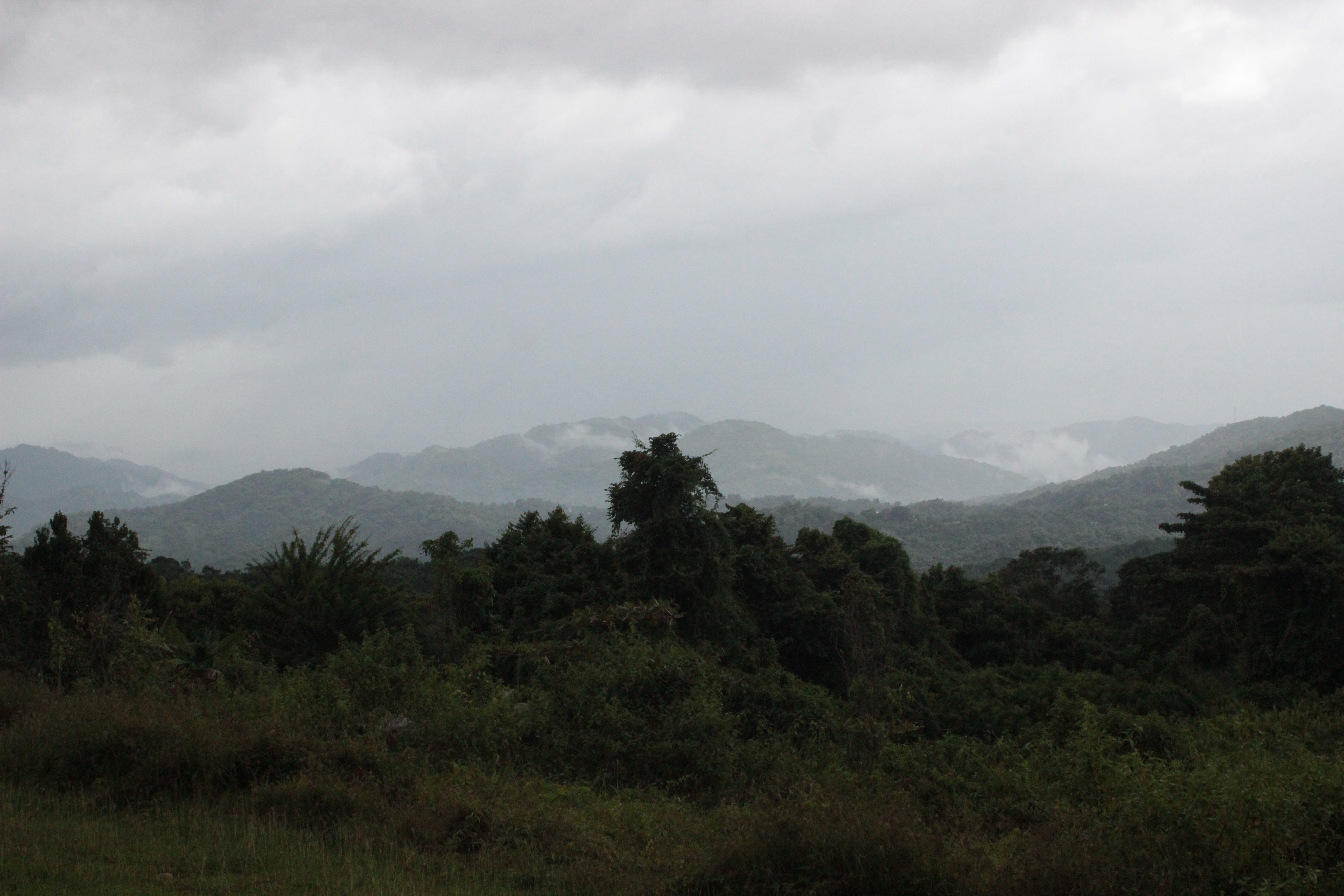
Caribbean Food for Climate Justice Research Group
To make a better future
19
Countries
5
Workshops
1
Goal
100+
Stories
“Engaging Caribbean Youth in Climate Action and Afrodescendant Food Heritage through Story Mapping and Song” (2021-2022)
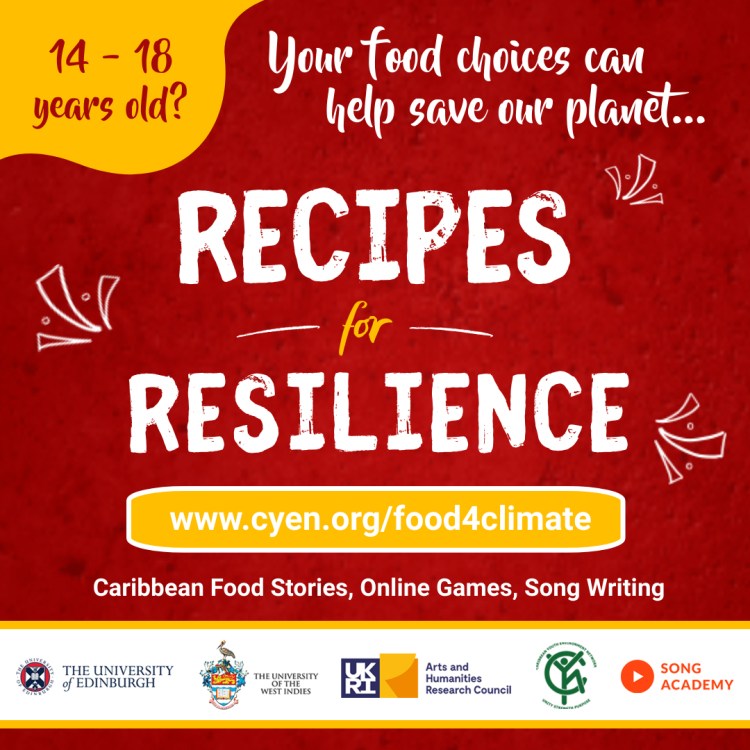
Funded by the UKRI-AHRC, Recipes for Resilience is an interdisciplinary project with scholars and collaborators from the University of Edinburgh, the University of West Indies, SOAS University of London, Black Open University, the Caribbean Youth Environment Network (CYEN), and Song Academy that aims to re-connect Caribbean youth and their elders through activities that encourage reflection on food heritage, production, and consumption in the context of climate change resilience and action.
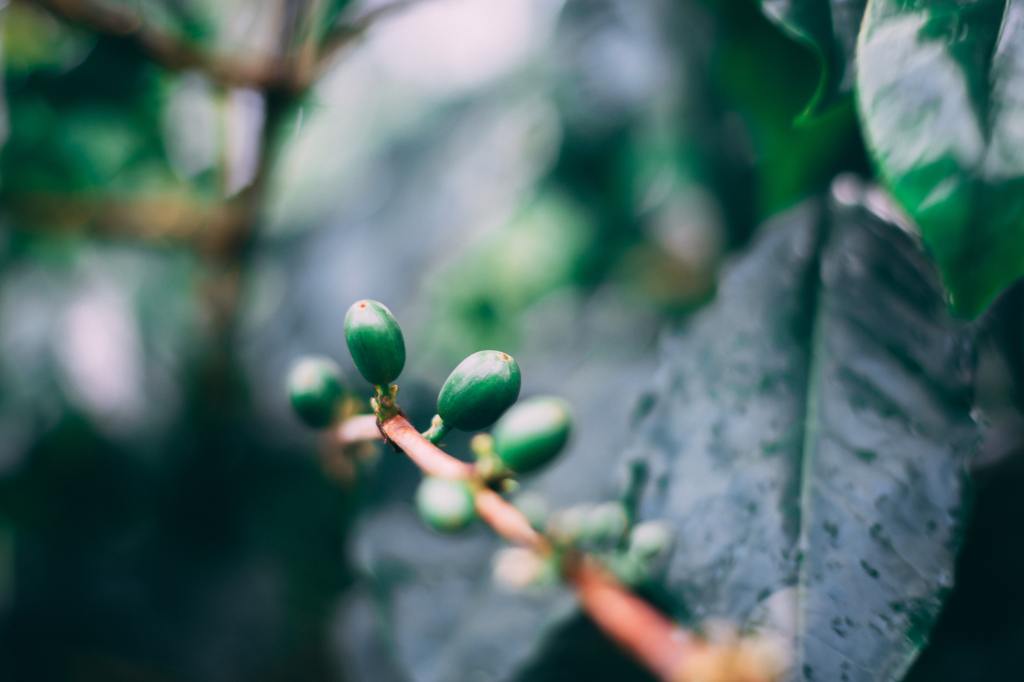

“Teaching Climate Justice and Resilience through Ancestral Plant Heritage in Jamaica” (2022 – 2023)
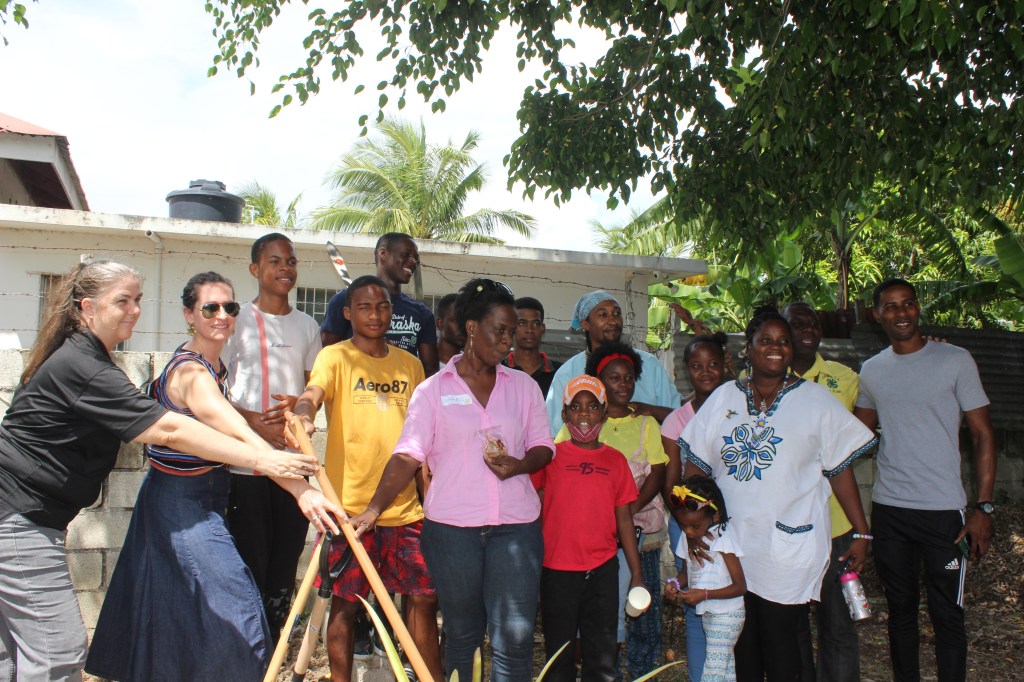
Our group was awarded the ESRC Impact Acceleration Grant to expand our reach and put the findings of our collective research into meaningful and impactful use. Continuing our partnership with the Caribbean Youth Environment Network (CYEN) and collaborating with the Jamaican Hummingbird Taino and Maroon Peoples and the Jamaincan 4-H Club, we brought together youth, teachers, practitioners, and artists to learn about plant heritage and climate just agricultural systems.
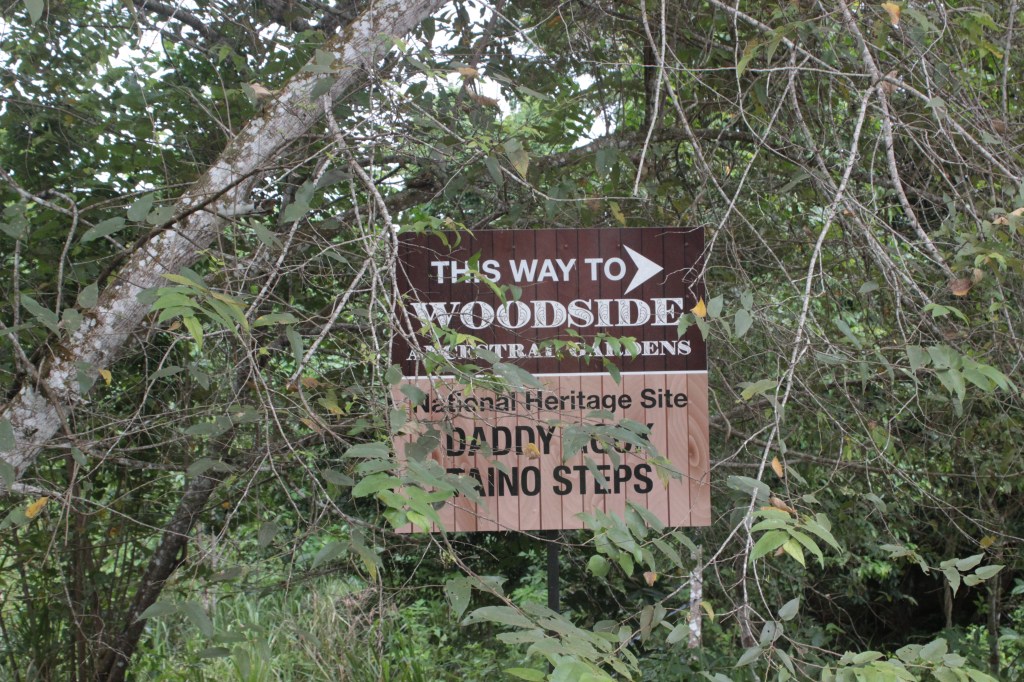
Woodside Ancestral Gardens Virtual Tour
Click on the image to learn about the Ancestral Gardens in Woodside, Saint Mary Parish, Jamaica
Meet the Group
Dr Marisa Wilson
Dr Wilson is a Senior Lecturer in Critical Human Geography at the University of Edinburgh. Marisa uses ethnographic, oral history, visual, digital, and performative methods to increase understandings of food production and consumption in (post)colonial contexts. For her five-minute Research in a Nutshell video, see here. Contact at: Marisa.Wilson@ed.ac.uk
Dr Patricia Northover
Dr Northover is a critical development economist and Senior Fellow at the Sir Arthur Lewis Institute of Social Sciences (SALISES), at the Univesity of the West Indies, Mona. Dr Northover chairs the SALISES research cluster on Sustainable Rural and Agricultural Development and is the co-producer of two film series of the sugar industry in Jamaica; an adult documentary entitled Sugar Cane: Recycling Sweetness and Power in Modern Jamaica (2017), and Ms. Sugga (2017), an animated TV series for children. Her current research projects center on climate action, food systems, and decolonial knowledge practices for sustainable development. Contact at: patricia.northover@uwimona.edu.jm
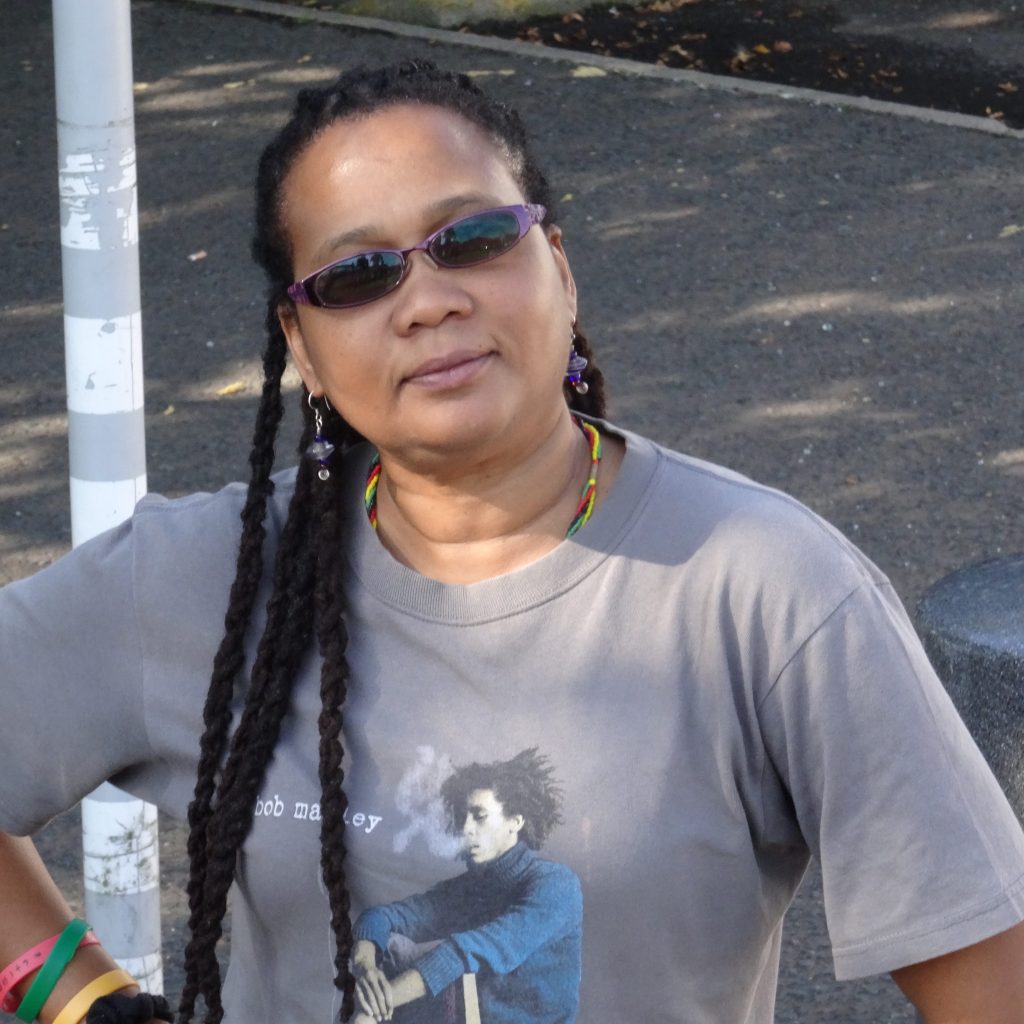
Dr Thera Edwards
Dr Edwards is a Map Curator and Lecturer in the Department of Geography and Geology at The University of the West Indies, Mona Campus. Her interdisciplinary research includes landscape change, biophysical history, geomorphology, climate change responses, vegetation ecology, and archaeology. In the past 20 years, her work has focused on environmental management and sustainable development, with particular emphasis on biodiversity, forestry, watersheds, agriculture, and protected areas management. Contact at: thera.edwards02@uwimona.edu.jm

Dr Sylvia Mitchell
Dr Mitchell is an Ethnobotanist, Senior Lecturer, and Leader of the Medicinal Plant Biotechnology Research Group at the Biotechnology Centre, UWI. She is trained in various aspects of technology commercialization and has over 32 years of experience with plant tissue culture, including seven years at the Scientific Research Council. She believes the Caribbean has real potential to realize in the sustainable utilization of its’ native plant biodiversity for food, herbs, species, fine chemicals, medicinals, nutraceuticals cosmeceutics, aromatherapy, furniture, and biofuels through the judicious use of biotechnology, a goal towards which she is diligently working. Contact at: sylvia.mitchell@uwimona.edu.jm
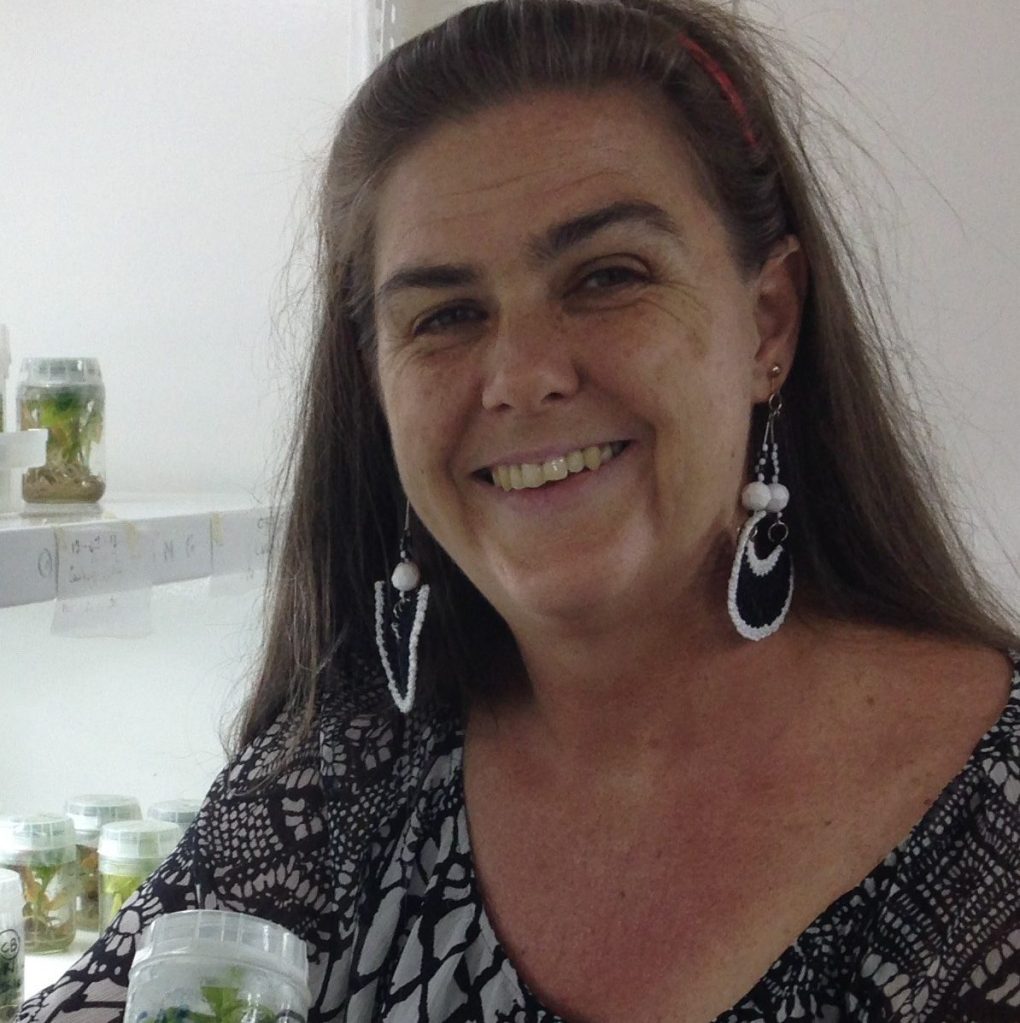
Dr Anthony Richards
Dr Richards is an ethnobotanist, storyteller, Caribbean government advisor (on issues of biosafety, biosecurity, bioprospecting, and biopiracy), organizer of award-winning Caribbean food events, and co-author of Cool Caribbean cookbook series. Contact at: antiguachemist@yahoo.com

Dr Katherine Crowley
Dr Crowley is a Lecturer in Climate Risk and Resilience and Co-director of the Edinburgh Climate Change Institute. Kate has worked as an applied researcher, project manager, and practitioner in Disaster Risk Reduction (DRR) and Climate Change Adaptation (CCA). Prior to working at the University of Edinburgh, she was a Hazard and Risk Engineer at the National Water and Atmospheric Research Institute (NIWA), New Zealand. Contact at: kate.crowley@ed.ac.uk

Dr Nicole Plummer
Dr Plummer is a Lecturer in the Institute of Caribbean Studies, Faculty of Humanities and Education, The University of the West Indies, Mona. Her academic background is in history, though recently much of her work centers on Cultural Studies. Her research interests, presentations, and writings also include Business Culture and Economic Development, Caribbean Socio-economic, History, Language, and Representation in Popular Jamaican Music. She maintains a blog which she would update more often if she had the time. Contact at: nicole.plummer02@uwimona.edu.jm

Dr Charmaine McKenzie
Dr Charmaine McKenzie is a food historian specialising in Jamaican food. She has a lifelong interest in Jamaican and Caribbean food and footways and brings to the project insights into the relationship between Jamaicans and food from a historical perspective. Dr McKenzie is especially interested in how traditional foods and foodways can be sustained in a time of significant climate and agricultural change. Contact at: charmainemckenzie@gmail.com
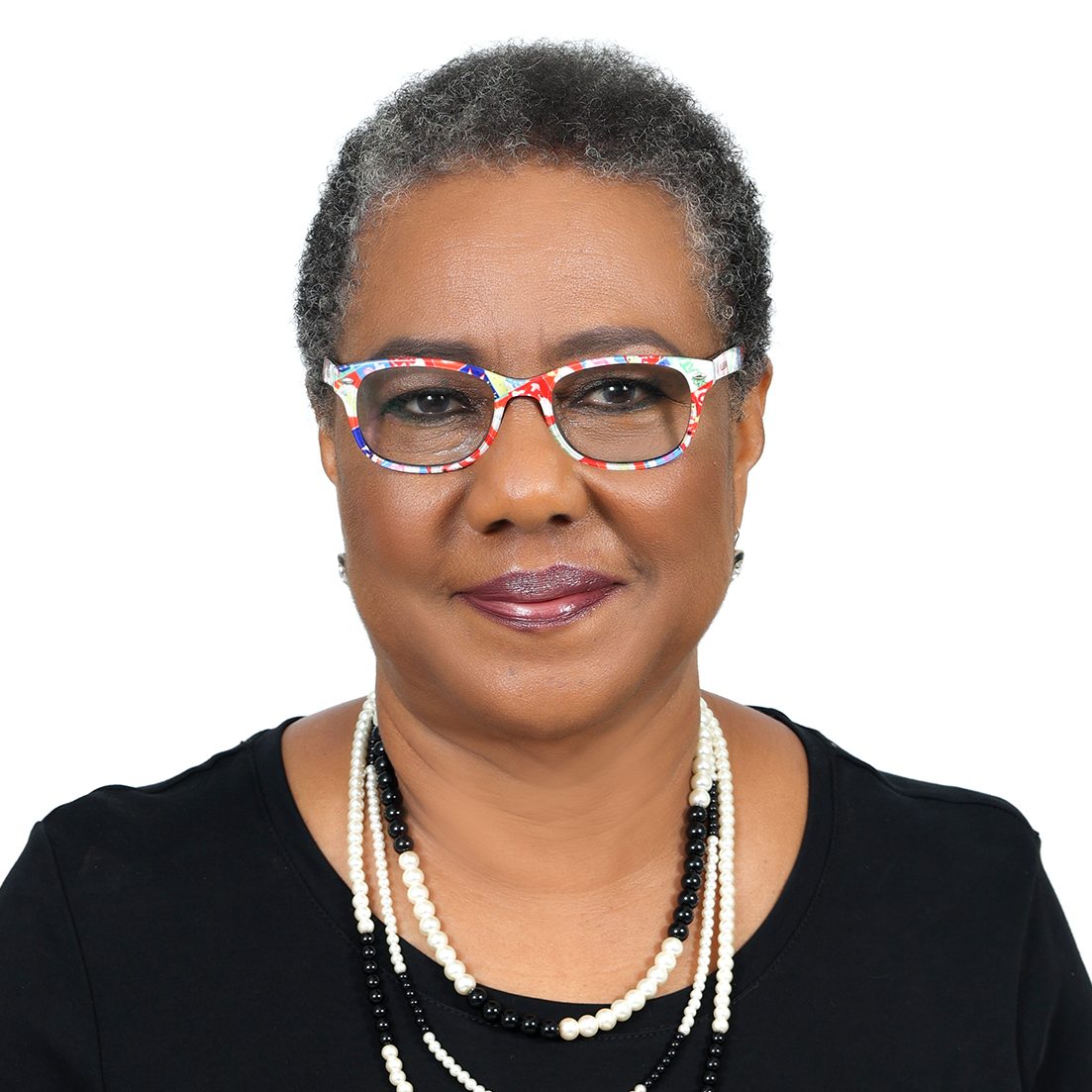
Dr Inna Yaneva-Toraman
Dr Yaneva-Toraman is an economic anthropologist, interdisciplinary researcher, and lecturer in the anthropologies of development and climate change. Her research focus is on the global political economy of agri-foods, exploring questions about sustainable rural livelihoods, landownership, and ecological and socioeconomic change in areas affected by large-scale industrial farming – specifically plantation economies – in the South Pacific, Southeast Asia, and the Caribbean. Inna’s work centres around issues of environmental justice, climate resilience, and the politics of recognition particularly of ethnic minority, Indigenous, and Afro-descendant communities. Contact at: i.yaneva-toraman@hw.ac.uk
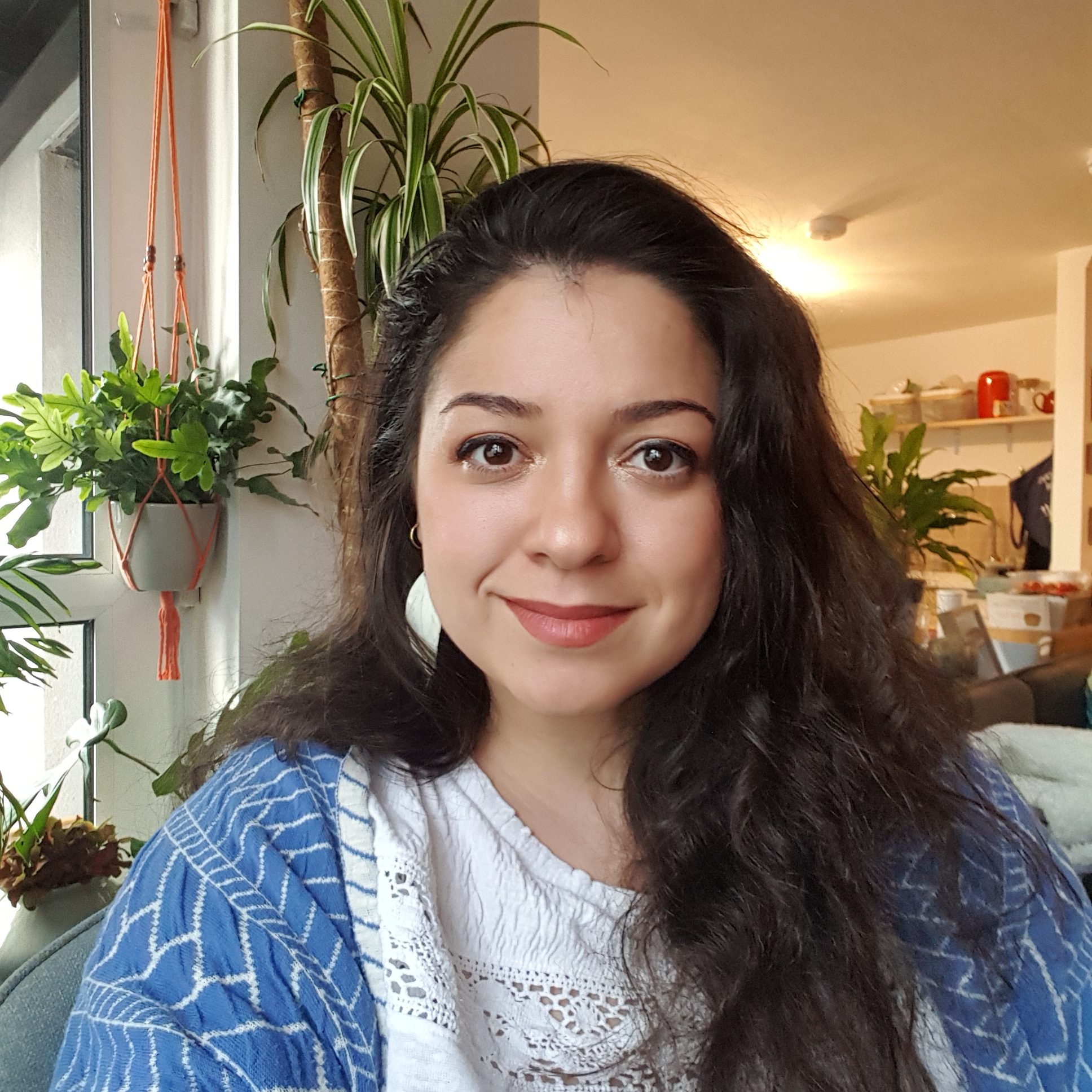
Reginald Burke
Mr Burke is a natural resources manager with over 25 years experience. His training is in ecology, microbiology and environmental resources management and he has worked in the areas of food microbiology, water quality testing, climate change, marine litter management, water supply and sanitation assessment, youth development, sustainable consumption and production, sustainable and rural tourism, flood management and management planning for forestry reserves. He also has extensive experience working with the youth sector specifically in the areas of environment and sustainable development education, project management and NGO management. He is the Executive Coordinator of Caribbean Youth Environment Network (CYEN).

Dr Judith Carney
Dr Carney is Distinguished Research Professor Emerita in Geography at the University of California Los Angeles. She conducts research on West African food systems, with a longstanding interest in African rice and its history in former plantation societies of the Americas. Her publications include more than 100 research article and two books: Black Rice: The African Origins of Rice in the Americas (Harvard University Press) and In the Shadow of Slavery: Africa’s Botanical Legacy in the Americas (University of California Press). She is currently researching the gendered use of mangrove resources across the African diaspora, with a particular focus on women’s shellfish collection.
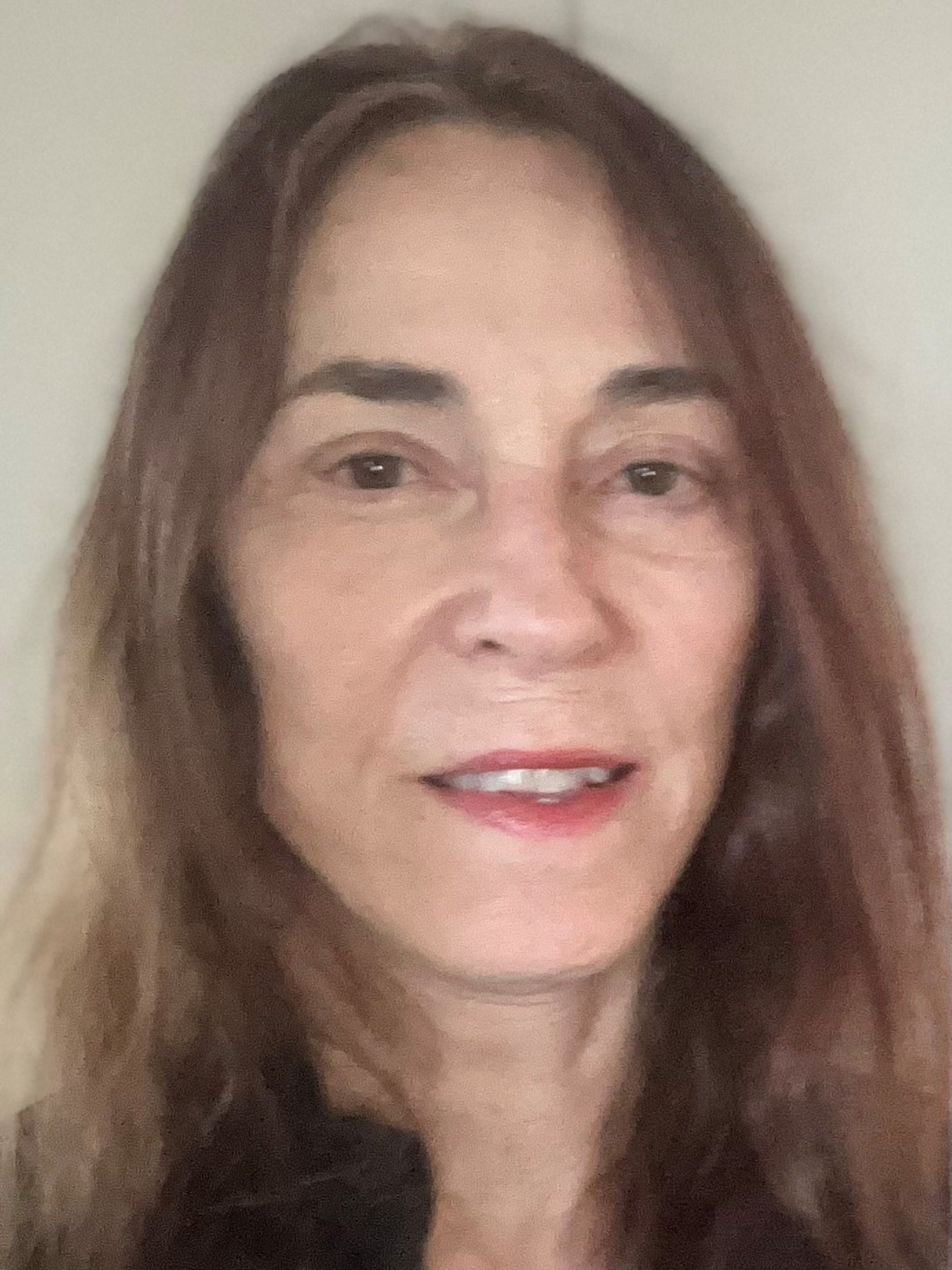
Chandane Persaud
Chandane Persaud is currently a student Majoring in Chemistry at the University of Guyana. When she is not buried in experiments and equations, she dedicates her time to volunteering with the Caribbean Youth Environment Network (CYEN). Driven by her passion for environmental conservation, she works to promote sustainable practices and raise awareness about pressing issues in the Caribbean region. Through her involvement with CYEN, she hopes to blend her scientific knowledge with community service, aiming to make a meaningful impact on both her academic journey and the world around her.

Shannon Weekes
Shannon Weekes is a dedicated development practitioner with a BSc. in Environmental Science and Biology. She serves as the National Coordinator of the Caribbean Youth Environment Network (CYEN) in Barbados. Leading efforts to engage youth in environmental stewardship and sustainable development, Shannon also coordinates the Barbados International Coastal Cleanup (BICC), mobilizing citizens and collecting data to inform coastal policy. She represents CYEN on national committees, engages in consultations, and attends international meetings, advocating for youth involvement in environmental initiatives. Shannon is passionate about empowering future generations and her work reflects her commitment to building a resilient and sustainable world.


Our Message at COP26

Our Project Partners
The Caribbean Youth Environment Network
RfR is done in partnership with the Caribbean Youth Environment Network (CYEN), which is a non-profit network organization dedicated to improving the quality of life of Caribbean young people by facilitating their personal development and full involvement in all matters pertaining to the environment and sustainable development.
Jamaican Hummingbird Taino People

Our Collaborators
RfR is a project done in collaboration with the Song Academy and Black Open Unviversity.

Established in 2010, Song Academy gives young people a voice, helps them express themselves powerfully, celebrates their individuality, unleashes their creativity, inspires them with what’s possible, connects them to a vibrant community of their peers who love writing original songs, builds young people’s confidence and self-esteem.

The Black Open University (Europe) is an e-learning platform facilitated by Abundance Centres (UK). Universal learning from an African place of being.
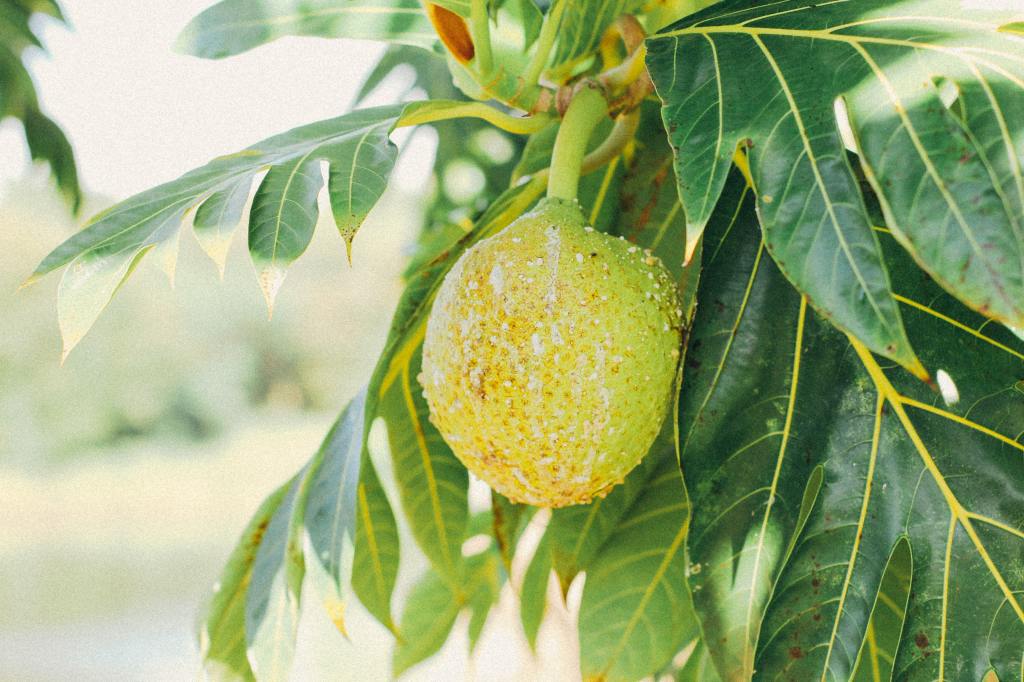
In 1793 breadfruit was introduced in St. Vincent and Jamaica from Tahiti in the Pacific Islands, where it was a traditional staple of the seafaring Polynesians. But why were the British trying to bring the breadfruit to the Caribbean?
Dr Charmaine McKenzie & Dr Anthony Richards
“From Slave Foods to Superfoods”
Today, okra is being hailed as a superfood. Okra may benefit pregnant women, heart health, and blood sugar control. It may even have anticancer properties. The name “okra” comes from the Igbo language of south-eastern Nigeria, West Africa.
Dr Anthony Richards
“Sugar – the food that made the world”
Sugar cane is the first global commodity crop. In over 120 countries, sugar changed lives and environments. It has this history that ties up the global space. Sugar has global impact, both historically and in the present, especially around its…
Dr Patricia Northover & Dr Inna Yaneva-Toraman
 Inna Yaneva-Toraman